
Peptide Therapy
unlock cellular optimization
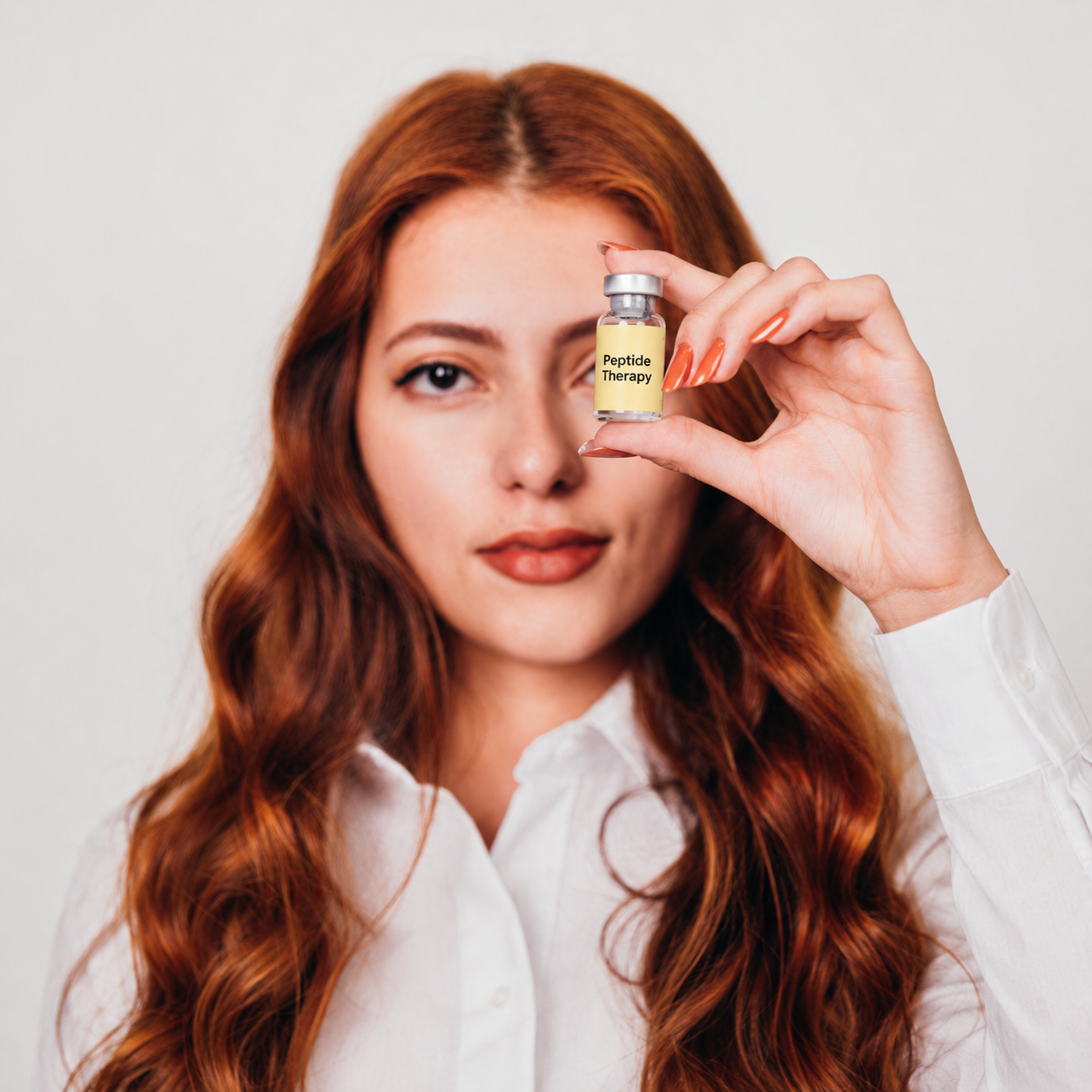
Peptides are short chains of amino acids that act like precise messengers in the body — smaller and more targeted than full proteins, so they can slip into cells and trigger specific reactions without a lot of "noise." Because each peptide is shaped to fit certain receptors, peptide therapy essentially hands the body a very specific instruction, like "boost tissue repair here" or "release more growth hormone now," rather than flooding it with a broad-acting drug. This targeted signaling is why peptides are used to support things like muscle recovery, immune response, and cellular repair — they're not adding something foreign, they're amplifying communication pathways the body already uses naturally.
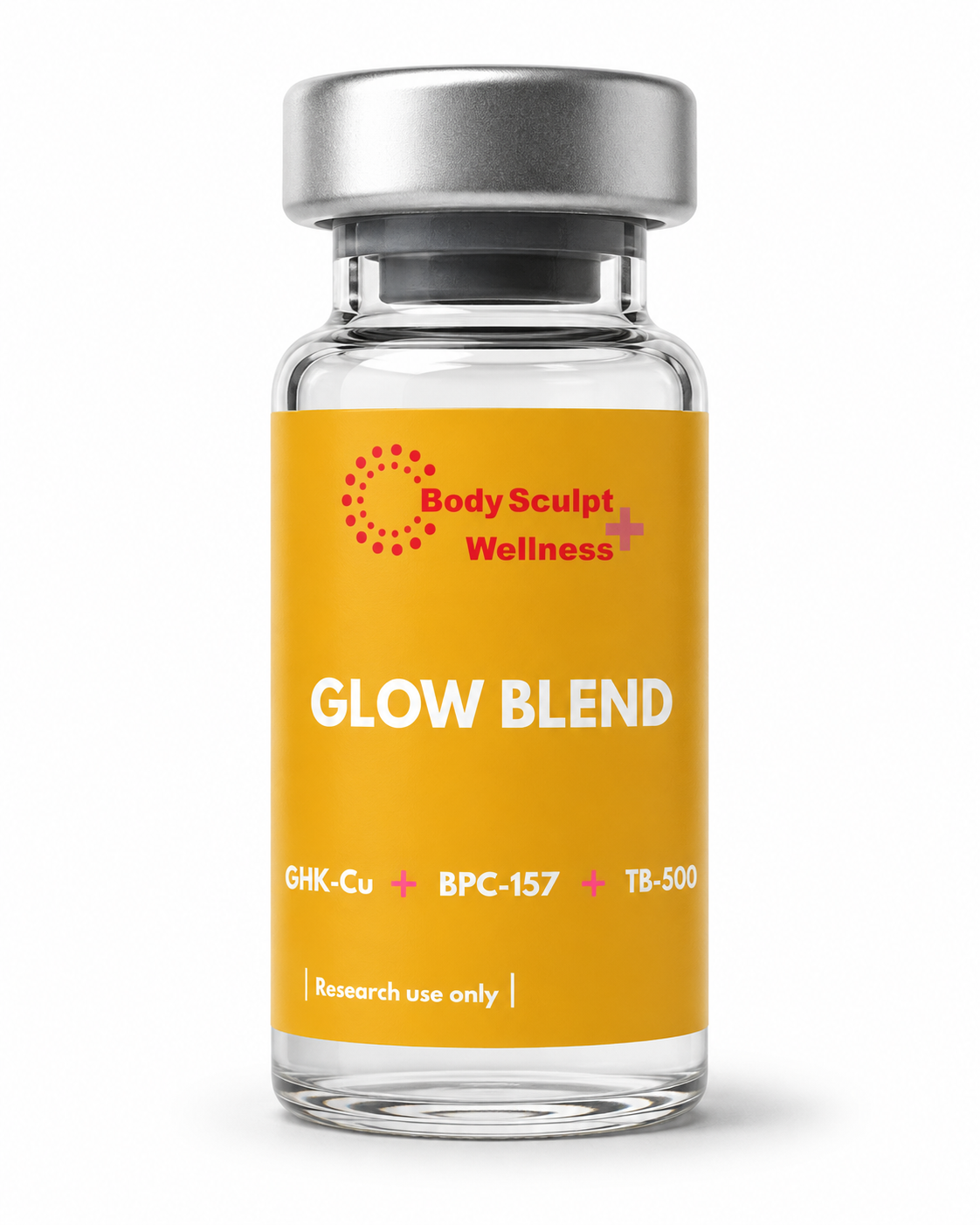
The GLOW Blend
The Glow Blend helps improve skin firmness, boost collagen, heal tissue, and lower inflammation. The Glow Blend consists of the following peptides:
-
GHK-Cu (copper peptide) is a naturally occurring tripeptide-copper complex best known for skin regeneration and anti-aging. It boosts collagen and elastin synthesis to improve skin firmness, elasticity, and tone while reducing fine lines and hyperpigmentation and it accelerates wound healing by promoting tissue repair and lowering inflammation. It also stimulates hair follicle activity (supporting hair growth) and acts as an antioxidant, binding free radicals and toxic metals.
-
BPC-157 (Body Protection Compound-157) is a repair peptide that speeds up healing of tendons, ligaments, muscle, and gut tissue while reducing inflammation.
-
TB-500 (Thymosin Beta-4) is a synthetic peptide that speeds up tissue repair, mainly for muscle, tendon, and joint injuries. It works by binding to actin to promote cell migration and new blood vessel formation, which accelerates wound healing, reduces inflammation, and improves flexibility. It's often stacked with BPC-157 for injury recovery.
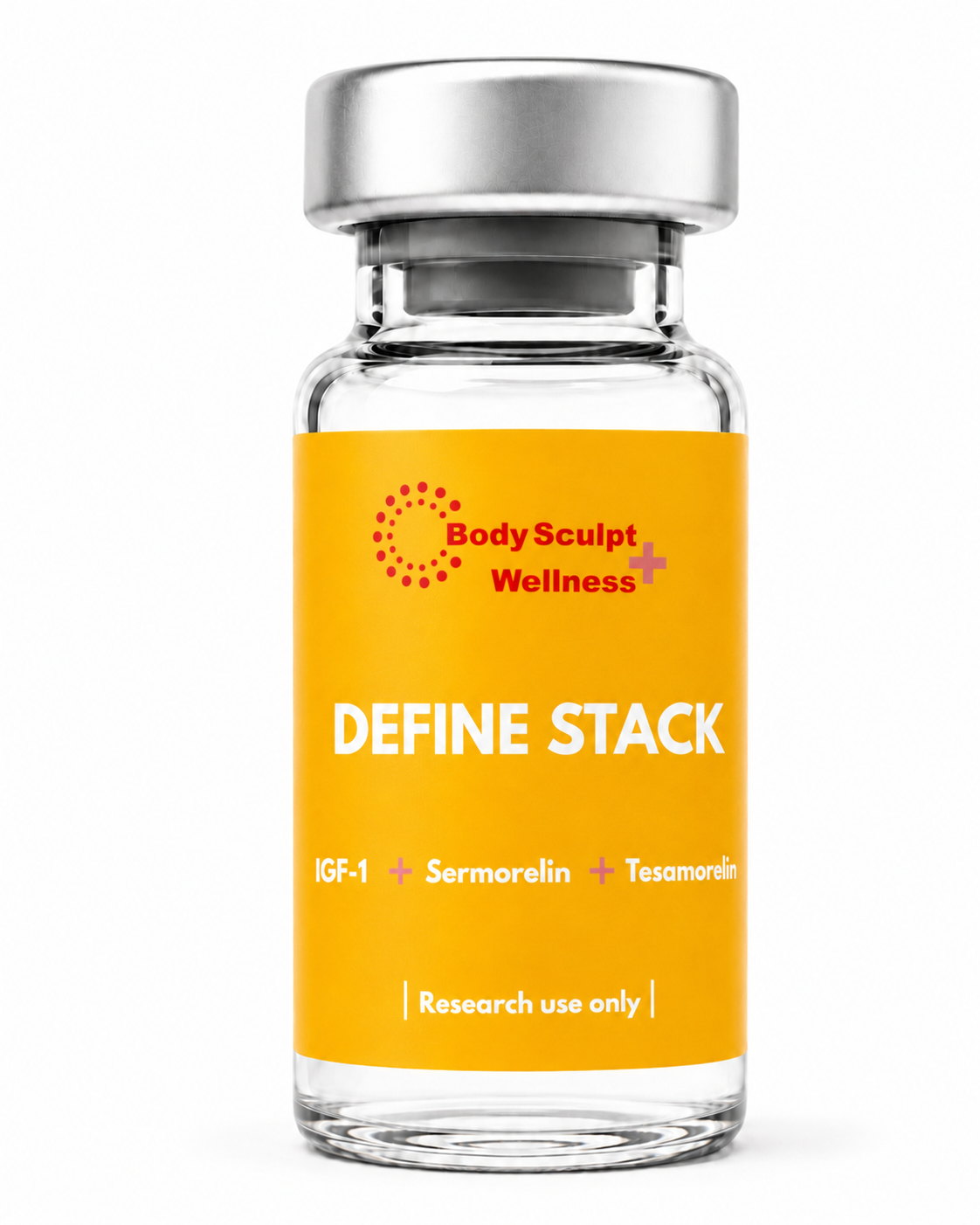
The define STACK
The Define Stack is a potent peptide protocol built to reshape your physique, torch stubborn visceral fat, and drive full-body recomposition from the inside out.
-
CJC-1295 is a synthetic growth hormone-releasing hormone (GHRH) analog modified with a Drug Affinity Complex (DAC) that binds to albumin in the bloodstream, extending its half-life to roughly 5.8–8.1 days — versus a few minutes for unmodified GHRH. It works by binding GHRH receptors in the anterior pituitary, promoting sustained, pulsatile release of endogenous GH and downstream IGF-1.
Reported benefits include increased lean muscle mass, fat loss (particularly visceral fat via lipolysis), improved recovery, better sleep quality, enhanced skin elasticity/collagen production, and increased bone mineral density — all attributed to elevated GH/IGF-1 rather than direct action.
-
Sermorelin is a synthetic peptide analog of growth hormone-releasing hormone (GHRH), consisting of the first 29 amino acids of the natural GHRH molecule. It stimulates the pituitary gland to produce and release its own growth hormone, working with the body's natural feedback mechanisms rather than introducing exogenous GH directly. It's commonly used to support anti-aging, body composition, sleep quality, and recovery goals.
-
Tesamorelin is a synthetic GHRH analog, structurally similar to sermorelin but modified with a stabilized N-terminal region that gives it a longer half-life and stronger, more consistent stimulation of the pituitary's natural growth hormone release. It's FDA-approved for reducing excess visceral abdominal fat (notably in HIV-associated lipodystrophy), and is also used more broadly for body composition, fat loss, and recovery support.
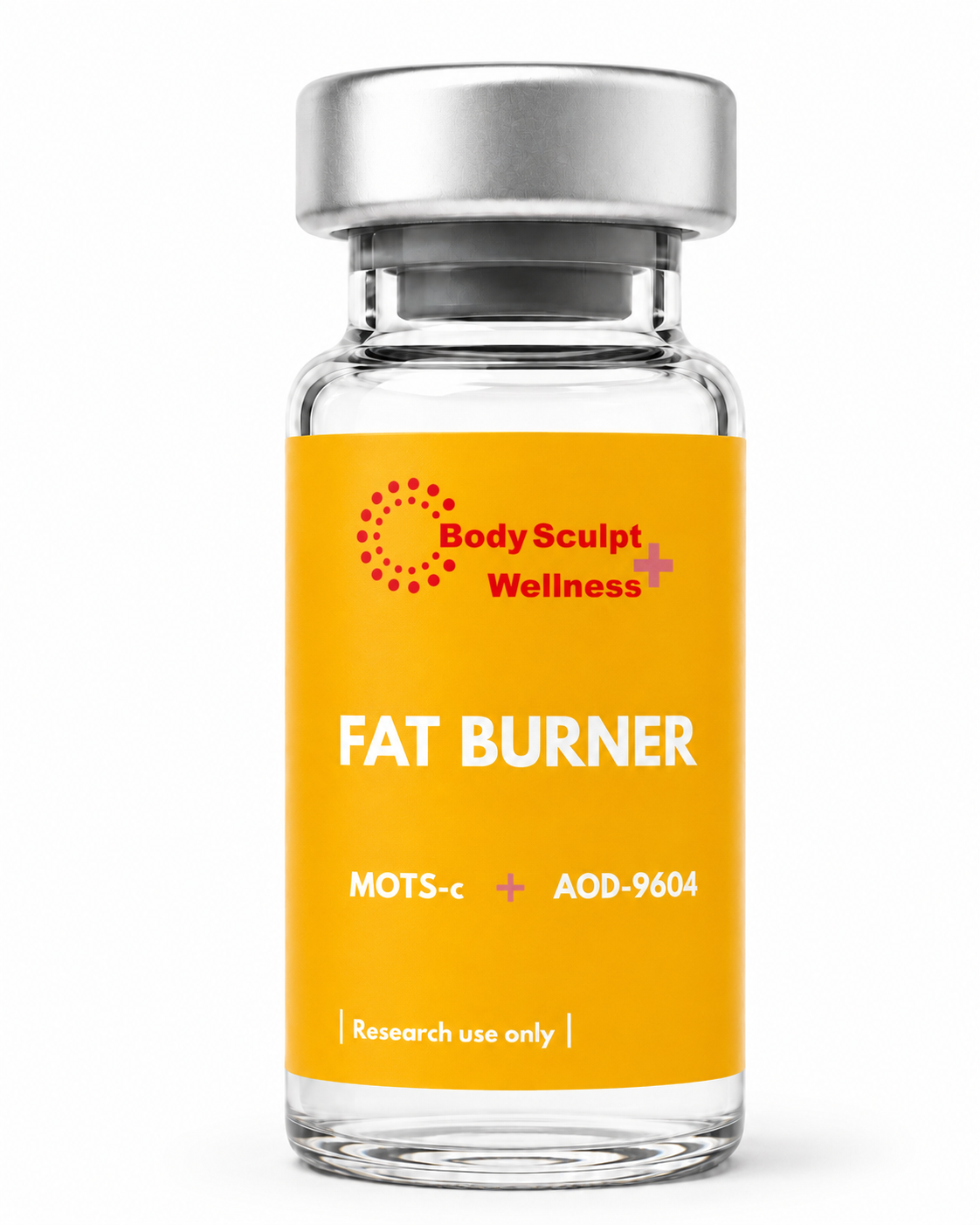
The FAT BURNER
The Fat Burner stack, featuring AOD-9604 and MOTS-c, is designed to synergistically target fat loss through metabolic modulation. This protocol has gained popularity among those exploring advanced peptide therapies for weight management and metabolic enhancement.
-
A synthetic fragment of human growth hormone (amino acids 176-191) engineered to isolate HGH's fat-metabolizing effect while stripping out the growth-promoting one.
It works two ways: stimulating lipolysis (breaking stored fat into glycerol and free fatty acids) and inhibiting lipogenesis (blocking new fat formation). Because it excludes the region of HGH that triggers IGF-1, it doesn't raise blood sugar, cause insulin resistance, or promote muscle/tissue growth — it targets fat cells selectively, preferentially in stubborn areas like the abdomen.
-
A mitochondrial-derived peptide — one of the few encoded by mitochondrial DNA rather than the nuclear genome. It's a 16-amino-acid signal that gets released into circulation and acts as a "metabolic modulator," often grouped with anti-aging and fat-loss peptides.
Mechanism centers on activating AMPK, the cell's master energy-balance switch. That drives increased glucose uptake, enhanced fatty acid oxidation, and improved insulin sensitivity, while also supporting mitochondrial biogenesis and reducing oxidative stress.
Reported benefits span several categories: fat loss (via fat oxidation), muscle performance (better ATP availability and endurance), cognitive support (neuroprotection via reduced oxidative stress), longevity (AMPK activation), and metabolic health (insulin sensitivity, glucose regulation). Early research also points to some chemoprotective potential.
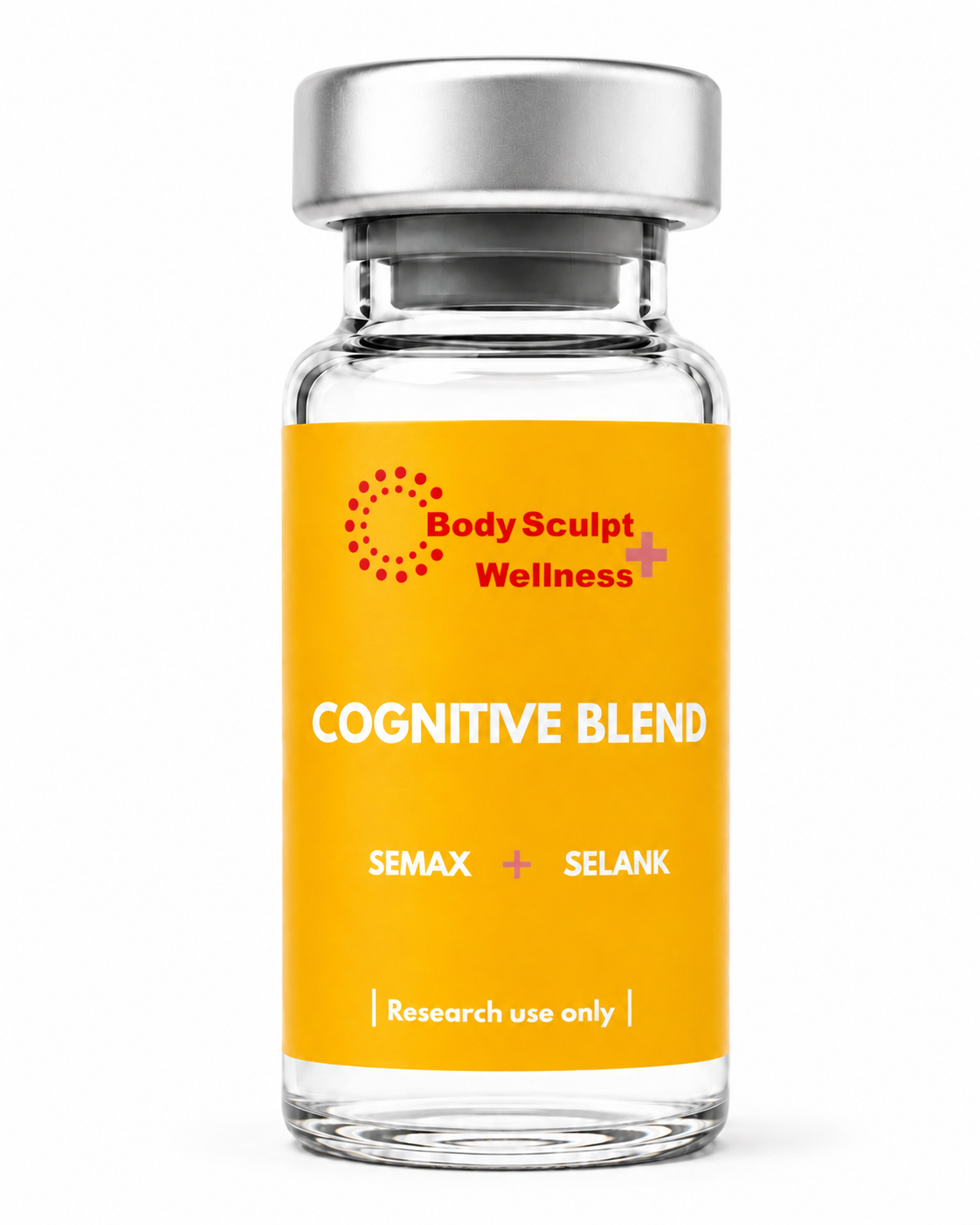
the Cognitive blend
Cognitive Blend pairs Semax and Selank, two compounds with complementary mechanisms, into a powerhouse formula prized for its neuroprotective and neurorestorative effects. Together they support focus, memory, mood regulation, and stress resilience.
The result is a protocol built for whole-brain optimization: sharper thinking without overstimulation, sustained concentration without burnout, and improved mood without sedation.
-
Semax is a synthetic nootropic peptide developed in Russia from a fragment of ACTH, modified to enhance brain function without hormonal activity. Delivered intranasally for direct access to the brain, it boosts BDNF production to support memory, learning, and focus, while offering neuroprotective and antioxidant effects that guard against oxidative stress. Users often turn to it for sharper mental clarity and resilience under stress, with a side effect profile that's mild and rare — and no known potential for tolerance or dependence.
-
Selank is a synthetic peptide derived from the naturally occurring immunomodulatory peptide tuftsin, developed primarily for its anxiolytic and neurocognitive effects. It has been studied for its potential to reduce anxiety and stress, support attention and memory, and improve emotional regulation without the pronounced sedation associated with many conventional anti-anxiety medications.
Mechanism centers on activating AMPK, the cell's master energy-balance switch. That drives increased glucose uptake, enhanced fatty acid oxidation, and improved insulin sensitivity, while also supporting mitochondrial biogenesis and reducing oxidative stress.
Reported benefits span several categories: fat loss (via fat oxidation), muscle performance (better ATP availability and endurance), cognitive support (neuroprotection via reduced oxidative stress), longevity (AMPK activation), and metabolic health (insulin sensitivity, glucose regulation). Early research also points to some chemoprotective potential.